
Assessing Growth Holistically: Beyond Grades & Standard Tests
Your kid brings home a report card, and you scan the grades. But you already know those letters don't capture everything you've watched them work through. Holistic growth is about measuring the full picture of who your child is becoming, not just what they scored on a Friday test.
Parents of non-traditional learners know this better than anyone. The real wins often happen in moments that never make it onto a transcript. When your teen finally speaks up in a group, manages a frustrating situation without shutting down, or takes ownership of a mistake, that is progress worth measuring.
What Does Holistic Growth Actually Look Like in the Classroom?
Holistic growth means tracking how a student develops academically, emotionally, socially, and behaviorally over time. A student who learns to self-manage, communicate clearly, and engage with peers has built skills that will carry them far beyond any classroom. Those are the kinds of gains that show up in real life long after the school year ends.
How Schools Miss the Biggest Wins Your Teen Is Having
Traditional schools are built around measurable outputs: test scores, grades, and attendance records. Those metrics work well for students who thrive in structured, standardized environments, but they leave a lot on the table for everyone else. When a teenager doesn't fit that mold, the system often flags them as struggling rather than asking better questions.
The wins your teen earns every day rarely show up in a gradebook. Learning to sit with frustration instead of walking out the door takes real discipline. Choosing to speak honestly in a group setting when it feels risky takes courage that no multiple-choice exam can detect.
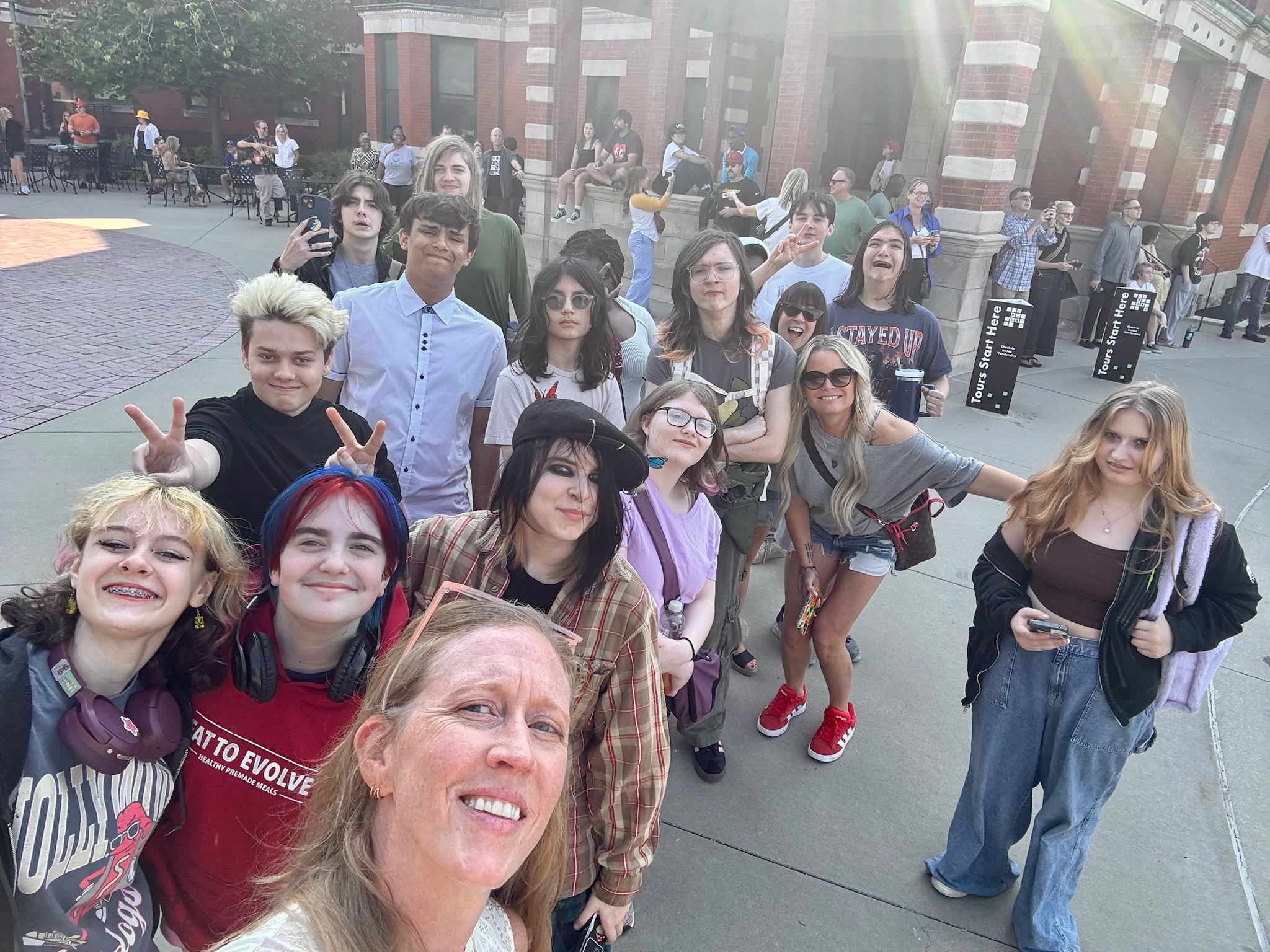
Parents often watch their kids clear enormous internal hurdles and wonder why none of it seems to count. A student who used to shut down completely now asks for help when they hit a wall. Another teen who avoided every group interaction now contributes regularly and holds their ground in a conversation.
Those moments are not soft victories. They signal that something real is shifting inside your child, and a school that only tracks grades will never see it.
The Skills Grades Leave Out (And Why They Matter Most)
Grades capture content knowledge, but the skills that determine how your teen navigates the world rarely appear on any transcript. Self-management, communication, social confidence, and emotional regulation are the competencies that shape every relationship and decision your child will face after graduation.
A school that takes those skills seriously treats them as subjects worth teaching, not just behaviors worth correcting.
Self-Management - Students learn to recognize their own triggers, slow their responses, and make deliberate choices instead of reactive ones.
Communication - Clear, assertive communication is taught directly, giving teens the language and confidence to express needs, set limits, and resolve conflict.
Social Skills - Students practice reading social situations, engaging respectfully with peers, and building relationships that feel safe and mutual.
Impulse Control - Structured adolescent strategies help students pause before acting, a skill that protects them academically, socially, and emotionally.
Public Speaking - Weekly group sessions give every student regular practice standing up, stating a position, and learning to argue a point with confidence.
Disclosure Skills - Students learn when and how to share personal information appropriately, a critical skill for building trust with adults and peers alike.
Emotional Regulation - Expressive and evocative therapy approaches help students identify what they feel, process it constructively, and move forward without shutting down.
When your teen builds these skills inside a structured, supportive environment, they carry them into every corner of their life. A student who can manage themselves, speak up clearly, and recover from hard moments is equipped for far more than a diploma.
Why Holistic Growth Goes Deeper Than Any Report Card
A report card tells you how your teen performed on assignments inside a specific subject during a fixed window of time. Holistic growth tells you who your child is becoming across every dimension of their development, including the ones that never get a letter grade.
Academic progress matters, and so does what happens when the lesson gets hard. When a student hits a wall and pushes through instead of giving up, that is growth.
Emotional development shapes how your teen handles pressure, relationships, and setbacks for the rest of their life. Social growth determines whether they can build trust, advocate for themselves, and function in the real world.

Neither one fits inside a grading rubric, and both deserve serious attention. Recognizing that growth requires a different lens, one built around the whole student rather than their output on test day.
When schools track the full picture, families finally get the complete story of what their child is capable of. The teenagers who struggle most in traditional schools are often growing in ways those schools never measure. A broader view of development changes everything about how you support your child.
What Real Student Progress Looks Like Beyond Test Scores
Progress looks different for every student, and for non-traditional learners, the most meaningful gains often happen in places that never appear on a transcript. Understanding what genuine development looks like helps you recognize it when you see it in your own child.
Real progress is not always loud or immediate.
Asking for Help - Reaching out instead of shutting down takes self-awareness and trust, two skills that take real time to build.
Managing Frustration - Staying present through difficulty signals growing emotional regulation and resilience.
Speaking Up in Groups - Voluntarily contributing to a conversation shows growing confidence and communication skills.
Owning Mistakes - Accountability without defensiveness is a sign of genuine maturity and self-awareness.
Transferring Skills - When what students learn applies beyond the classroom, the learning has taken root.
The students who develop these capacities carry them into adulthood, into relationships, and into every challenge that comes their way. Tracking this kind of growth is what separates a school that sees your child from one that only sees their grades. When you know what real progress looks like, you will start noticing it everywhere.
See the Full Picture of Who Your Child Is Becoming
Every parent wants to know their kid is making real progress, and at Plaza Academy, that means looking far beyond a report card. The school's holistic growth model tracks academic, emotional, social, and behavioral development together, giving families a complete view of how their teen is growing. That kind of visibility changes the conversation between parents, students, and educators entirely.
Plaza Academy has spent decades building an environment where non-traditional learners get the individualized attention, therapeutic support, and skill-building opportunities they deserve. When your teen is seen as a whole person, not just a grade point average, something shifts. Talk to us today to learn how Plaza Academy supports your child's full potential.
