How To Build Resilience With Social-Emotional Learning Strategies for Teens
Resilience helps teens navigate challenges, regulate emotions, and recover from setbacks with confidence. At Plaza Academy, we integrate learning strategies that strengthen emotional awareness, self-control, and problem-solving to promote academic and personal success. Our hybrid model connects therapeutic care with individualized instruction so students can thrive in both school and life.
We recognize that resilience is learned through guidance and practice, not circumstance. Our educators and counselors work together to teach coping skills, healthy communication, and perseverance. Every student develops the tools to face difficulties with focus, adaptability, and self-belief.
What Are Learning Strategies That Build Resilience
Learning strategies that build resilience include teaching emotional awareness, promoting self-regulation, and encouraging reflection. Students learn to manage stress, respond calmly to setbacks, and approach goals with persistence. These methods strengthen both academic performance and emotional stability.
How We Integrate Social-Emotional Learning Into Daily Lessons
We embed social-emotional learning into every classroom activity to make growth consistent and natural. Teachers guide discussions, model empathy, and reinforce positive communication habits. This structure helps students connect academic work with emotional development, deepening both understanding and engagement.
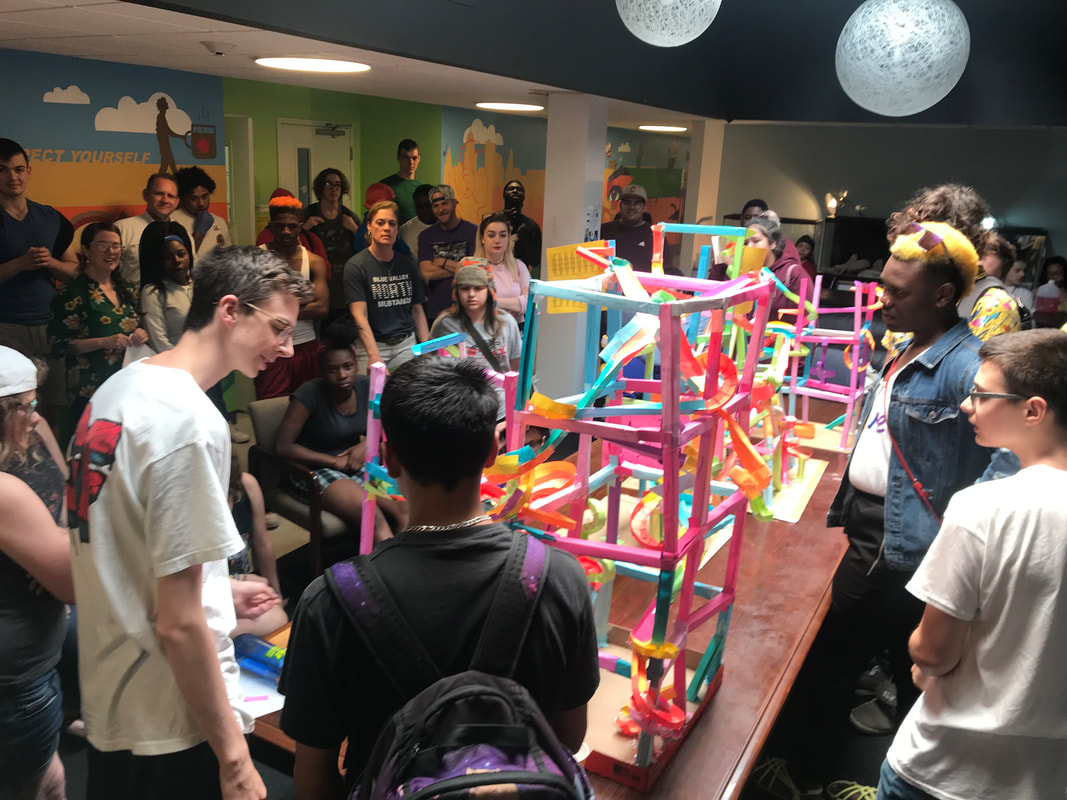
We create lessons that encourage problem-solving, group collaboration, and mindfulness. Students learn to listen actively, respect differences, and express thoughts constructively. These practices improve confidence while teaching accountability and patience.
At Plaza Academy, we believe social-emotional learning should be active, not abstract. Every class includes real-world applications that help students turn insight into action and self-awareness into progress.
What Are the Benefits of Social-Emotional Learning for Teens
Social-emotional learning improves mental health, academic success, and interpersonal skills. Teens develop resilience and confidence by learning how to manage stress and resolve conflicts calmly. Our teachers and therapists reinforce these abilities through consistent feedback and positive reinforcement.
Families notice meaningful change as teens build stronger relationships and communication habits. They become more capable of handling challenges both inside and outside of school. A balanced focus on emotional intelligence and academic skill-building leads to lasting stability.
Key benefits include:
Improved Emotional Regulation: Students manage frustration, anxiety, and stress through practiced self-awareness and calming strategies.
Stronger Relationships: Empathy-based exercises teach teens how to communicate clearly and respectfully with peers and adults.
Greater Academic Focus: Emotional balance allows students to concentrate better and maintain motivation during challenging coursework.
Increased Confidence: Personal achievements are celebrated, helping students recognize their growth and build self-assurance.
Enhanced Decision-Making: Teens learn to evaluate consequences and make thoughtful, responsible choices under pressure.
How We Encourage Reflection and Self-Awareness Through Learning Strategies
We teach students to reflect on experiences to understand their emotions and actions more deeply. Reflection helps teens identify triggers, track progress, and adjust behavior constructively. This skill becomes a foundation for emotional growth and academic success.
We use guided journaling and structured discussions to strengthen mindfulness. Students learn to connect emotions to choices and outcomes. Teachers model reflective thinking by discussing how effort and attitude influence results.
Every reflection exercise encourages accountability. Students gain a clearer understanding of how self-awareness leads to better relationships, stronger focus, and personal achievement.
How Collaborative Learning Strengthens Resilience
Collaboration teaches students to navigate differences, listen actively, and cooperate toward shared goals. Group projects and discussions mirror real-life interactions, helping students practice compromise and communication. Our hybrid structure encourages participation across in-person and digital spaces.
Collaborative work develops emotional intelligence and adaptability. Students encounter diverse perspectives and learn how to respond with respect. This helps them balance independence with teamwork and empathy.
Key collaborative learning outcomes include:
Empathy Development: Students learn to understand and appreciate others’ experiences and viewpoints.
Accountability: Working together reinforces the importance of reliability and follow-through.
Confidence Building: Peer recognition helps students feel valued and capable.
Problem-Solving Practice: Teamwork encourages creative thinking to overcome shared challenges.
Conflict Resolution: Students practice communication skills that help resolve disagreements respectfully and productively.
How Teachers Model Resilience for Students
Our teachers serve as examples of resilience in action. They demonstrate composure under pressure, flexibility in instruction, and consistent empathy toward students. By observing this behavior, teens learn to adopt similar attitudes when facing challenges.
We integrate teacher reflection and professional development into our school culture. Educators collaborate to share methods that promote emotional safety and accountability. This unity strengthens our overall classroom environment.
When students see resilience modeled daily, they internalize its principles naturally. They begin to mirror calm responses, persistence, and optimism; skills that support them in every part of life.
How Learning Strategies Prepare Teens for Adulthood
Learning strategies that focus on emotional and social growth prepare students for college, careers, and relationships. They gain tools for handling adversity, maintaining focus, and supporting others. Resilience built through structured learning extends well beyond the classroom.
We teach practical skills like goal-setting, adaptability, and positive communication. These form the foundation of independence and maturity. Every student leaves Plaza Academy with the self-confidence to manage both personal and professional challenges.
Our approach ensures that academic instruction and personal growth remain inseparable. Learning strategies for resilience help teens become capable, compassionate, and future-ready individuals.
Conclusion: Discover How Plaza Academy Helps Students Build Resilience
At Plaza Academy, we combine social-emotional learning and therapeutic care to create a foundation for lifelong resilience. Our educators and counselors work together to help every student gain emotional balance, self-awareness, and perseverance. Teens learn how to handle stress, build relationships, and recover from challenges confidently.
We are committed to guiding students through compassionate education that supports both academic and emotional success. Families seeking individualized learning and therapeutic growth can find it at Plaza Academy. Learn how our programs empower students to build resilience, achieve goals, and thrive.
