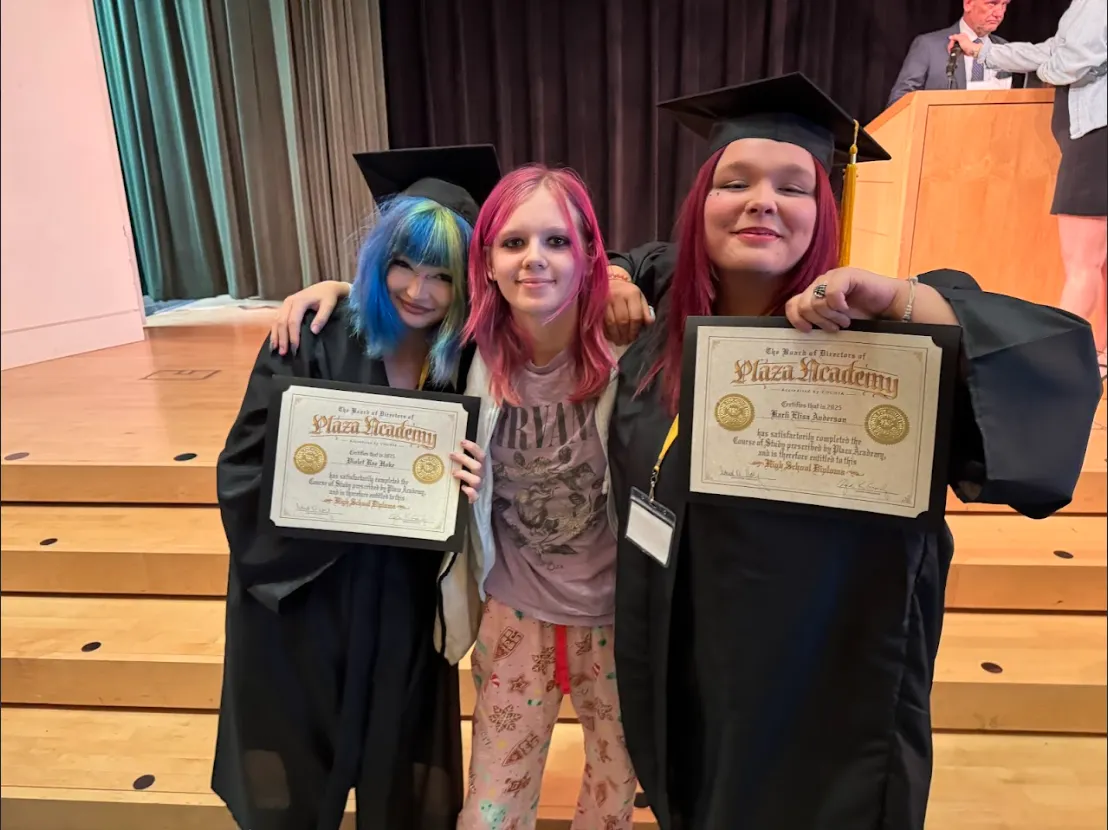
When School Looks Different: Success Stories from Non-Traditional Learners
For many families, school follows a familiar pattern: structured schedules, large classrooms, and expectations that every student learns at the same pace. While that structure works well for some children, it does not work for everyone. Many non-traditional learners experience school differently, often feeling overlooked, discouraged, or disconnected from the learning process.
When the environment changes, however, students often begin to change as well. With the right support, smaller learning communities, and an approach that recognizes individual strengths, many non-traditional learners rediscover confidence and curiosity. Families who once worried about their child’s future often begin to see something new: students who feel understood, capable, and ready to grow.
Who Are Non-Traditional Learners And Why Their Stories Matter
Non-traditional learners are students whose needs, experiences, or learning styles do not fit well within traditional school systems. Many struggle in large classrooms or rigid academic environments that overlook emotional, social, or individual learning needs. When students receive personalized support, smaller class settings, and an environment where they feel accepted, many begin to regain confidence, reconnect with learning, and see a future they once thought was out of reach.
When a Student Finally Feels Like They Belong
For many students, the turning point begins with something simple: walking into school and not feeling out of place. Traditional classrooms can sometimes leave certain students feeling invisible, anxious, or misunderstood. When the learning environment shifts to something more supportive, that pressure begins to lift.
Belonging often starts with small moments that carry a big impact, maybe during that single moment, or maybe for the rest of their lives.
A welcoming comment from a classmate. A teacher who notices when a student is struggling. A classroom where individuality is accepted rather than judged. Experiences like these help students realize they no longer have to hide who they are in order to fit in.
As that sense of acceptance grows, students begin to participate more freely. They ask questions, contribute ideas, and engage with their learning in ways they may have avoided before. Feeling comfortable in the classroom creates space for curiosity to return.
Once belonging is established, learning becomes possible again. Students who once dreaded school often begin to see it as a place where they can grow, explore their interests, and develop confidence in their abilities.
Rebuilding the Confidence of Non-Traditional Learners
Confidence rarely disappears overnight, and rebuilding it takes time. Many non-traditional learners arrive with years of frustration from environments where their needs were not recognized. Large classes, fast-paced instruction, or past academic setbacks can slowly erode a student’s belief in themselves.
The first step in rebuilding confidence is often experiencing success again.
A completed assignment that once felt impossible. A conversation where a teacher encourages effort rather than criticizing mistakes. A moment where a student realizes they actually understand the material.
These moments begin to reshape how students see themselves.
Supportive educators play a major role in that transformation. When teachers take time to understand each student’s strengths and challenges, learning becomes more personal and less intimidating. Instead of feeling judged, students begin to feel guided.
Over time, those small victories add up.
Students who once doubted their academic abilities start setting goals, improving their performance, and imagining futures that once felt unrealistic. For many non-traditional learners, confidence becomes the key that unlocks both academic progress and personal growth.
When Non-Traditional Learners Discover a Sense of Purpose
Many non-traditional learners spend years feeling like school is something they simply have to endure. Assignments feel disconnected from real interests, and academic success can seem out of reach. When students finally enter an environment that recognizes their individuality, that perspective can begin to shift.
Purpose often grows when learning connects to real interests and real experiences.
Hands-on projects. Creative work.
Opportunities to explore technology, writing, service, or other passions. When students see how learning relates to their future, motivation begins to return. Some students who once struggled to engage academically begin imagining careers and long-term goals for the first time.
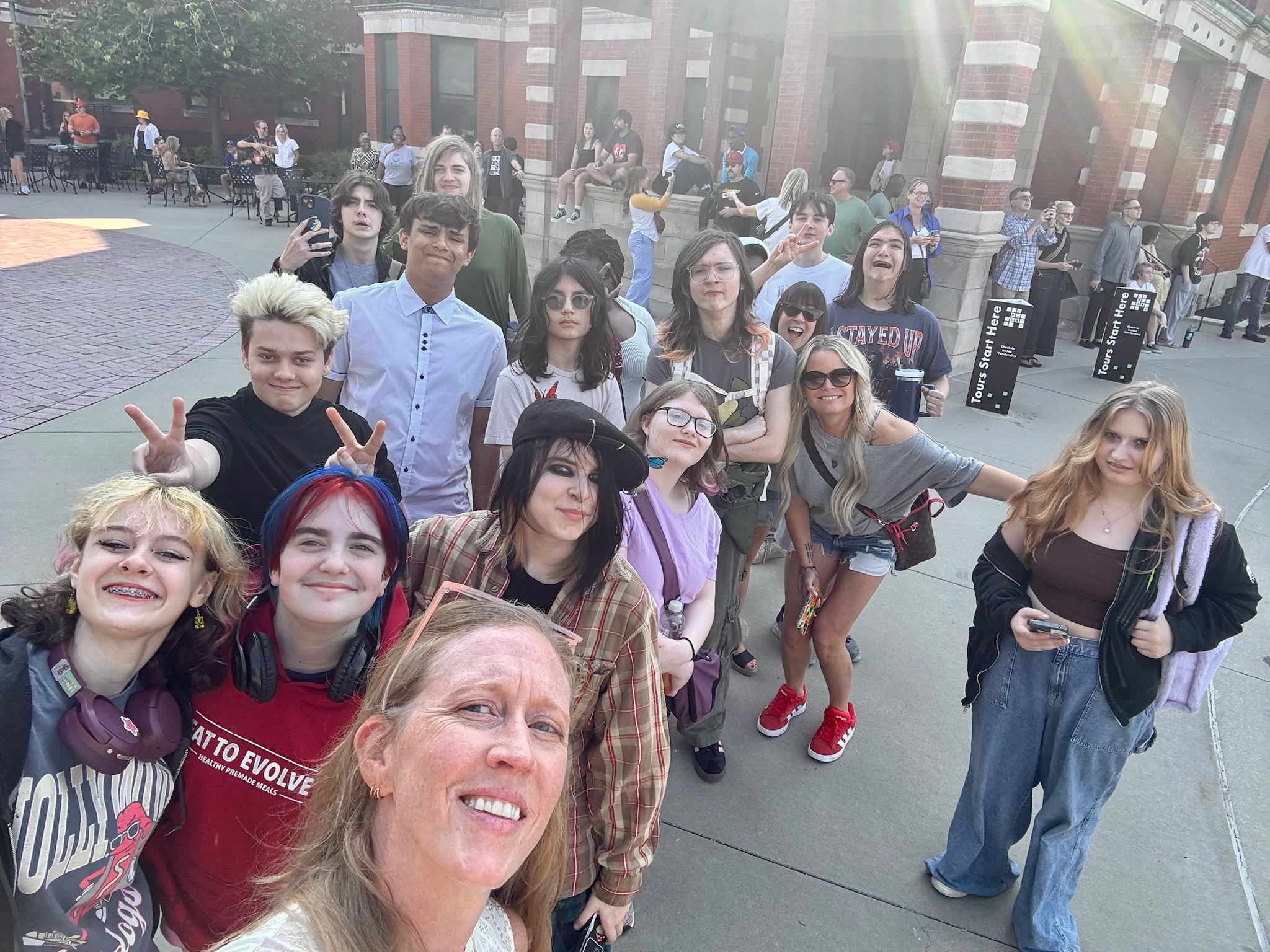
Purpose also grows through mentorship. Teachers who take the time to understand a student’s interests can help them explore new paths and possibilities. That support shows students that their ideas, talents, and ambitions matter.
Over time, students who once questioned their future begin to see a direction ahead of them. Discovering purpose can transform how students approach school, turning learning from a daily challenge into an opportunity for growth.
The Small Breakthroughs That Change a Student’s Direction
Major transformations in education rarely happen overnight. More often, success begins with a series of small breakthroughs that slowly reshape how a student sees themselves and their future.
A student finishes an assignment they once believed was impossible.
A teacher recognizes effort and encourages progress instead of focusing on mistakes.
A class discussion helps a student realize their ideas have value.
Moments like these may seem small from the outside, but they can completely change a student’s confidence.
Each breakthrough builds momentum. A student who once struggled academically may begin completing more work, participating in class, or setting personal goals. Over time, the pattern of failure that once defined their experience is replaced by a pattern of growth.
For many non-traditional learners, these turning points are the beginning of a new chapter. Students who once doubted themselves start believing that success is not only possible, but something they can actively work toward.
What These Success Stories of Non-Traditional Learners Show Families
For families, these stories often begin with concern and uncertainty. Parents may watch their child struggle in traditional classrooms and wonder whether school will ever become a positive experience again. Success stories from non-traditional learners offer a powerful reminder that the right environment can make an enormous difference.
One of the most consistent lessons from these stories is the importance of feeling understood. When students are treated as individuals rather than problems to solve, they begin to re-engage with learning. Supportive teachers, smaller communities, and flexible approaches to education can help students rediscover confidence.
Families often notice the change first at home. Students begin talking about school again. Mornings become easier. Curiosity returns. These shifts may seem simple, but they reflect a deeper transformation in how students see themselves and their abilities.
Ultimately, these success stories show that many students are capable of far more than traditional systems allow them to demonstrate. When non-traditional learners are given the right support, they often surprise everyone, including themselves, with what they can achieve.
A Different Path Can Lead to Real Success
Many non-traditional learners struggle not because they lack ability, but because the environment around them was never designed for how they learn. When students feel supported, understood, and given space to grow, their confidence and motivation often return. The success stories shared here show that the right environment can completely change a student’s direction.
At The Plaza Academy, non-traditional learners are supported through individualized learning, small classes, and strong relationships with educators. Students who once felt discouraged often rediscover confidence, purpose, and excitement about their future. Connect with us at The Plaza Academy to learn how your student can start their own success story.
