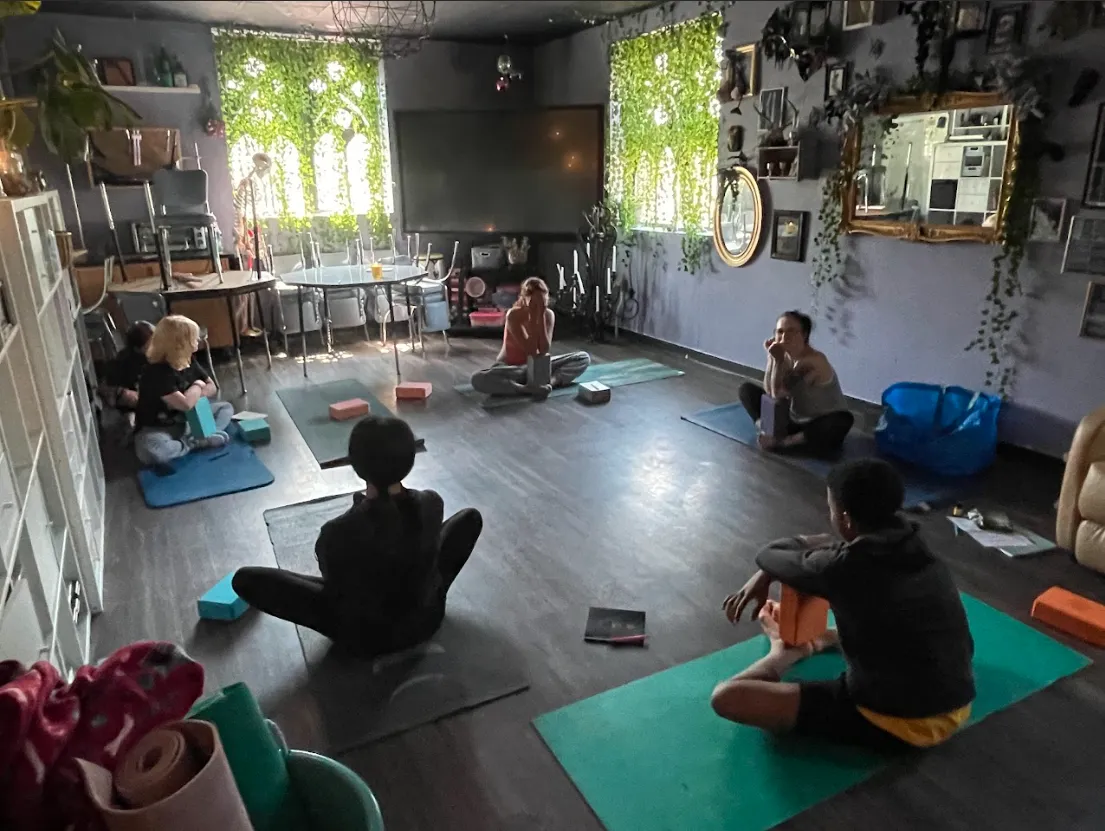
Designing Learning Environments That Work: Flexible Spaces and Student Choice
Parents often focus on curriculum, teachers, and class size when evaluating a school, but the physical and emotional learning environment matters just as much. The spaces where students learn can influence how they concentrate, collaborate, and feel about coming to school each day. Thoughtfully designed learning environments support not only academic focus but also confidence, independence, and comfort.
Modern learning environments recognize that students thrive when they have both structure and flexibility. Some learners need quiet areas to concentrate, while others engage more deeply through discussion, movement, or hands-on activities. When schools design spaces that allow for choice and adaptability, students gain a sense of ownership over how they learn and develop stronger connections to the learning process.
Why Learning Environments Matter for Student Success
When families think about education, attention often goes straight to academics, but the environment where learning happens quietly shapes a student’s daily experience. The design of a classroom can influence focus, confidence, and how comfortable a student feels.
Thoughtfully built learning environments reduce distractions and create a sense of safety that helps students stay engaged throughout the day.
Students respond differently to their surroundings, which means a one-size-fits-all classroom rarely works well for everyone.
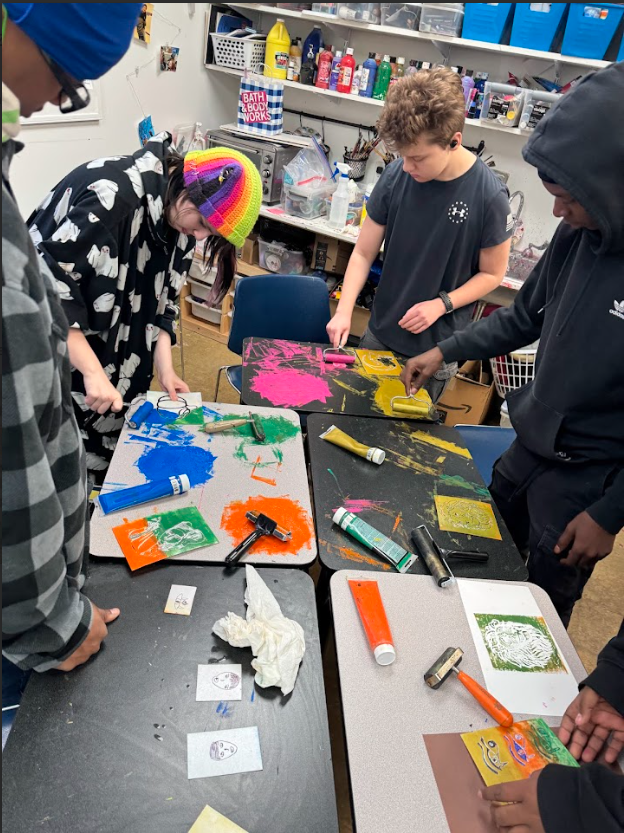
Some learners concentrate best in calm, quiet settings, while others stay motivated through collaboration and conversation.
When learning environments account for these differences, students are more likely to remain curious, attentive, and willing to take intellectual risks.
Supportive, non-traditional learning environments also help students develop habits that carry beyond the classroom. Organization, time management, and respectful communication often grow naturally when the environment encourages responsibility and independence.
Over time, these habits strengthen both academic performance and personal development.
How Flexible Learning Spaces Support Different Learning Styles
Flexible learning spaces give students options that support the way they naturally process information and stay engaged. Instead of requiring every student to sit and work in the same format all day, flexible learning environments offer areas designed for quiet study, group collaboration, and creative exploration. These choices allow students to move between spaces based on the type of learning activity taking place.
Students who benefit from discussion may work better in collaborative areas where ideas can be shared openly and explored together. Other students may prefer quieter spaces that allow them to concentrate deeply without interruptions. Flexible learning environments make room for both preferences, helping students remain comfortable and productive.
Over time, students begin to recognize which environments help them focus and perform at their best. Learning how to select the right space for the task builds self-awareness and independence. These skills help students become more confident learners who understand how to manage their own academic progress.
The Role of Student Choice in Effective Learning Environments
When students have some say in how they work, learning starts to feel more personal and meaningful. Instead of simply following directions all day, they begin to take part in shaping their own experience in the classroom. Even small choices can change how students approach their work.
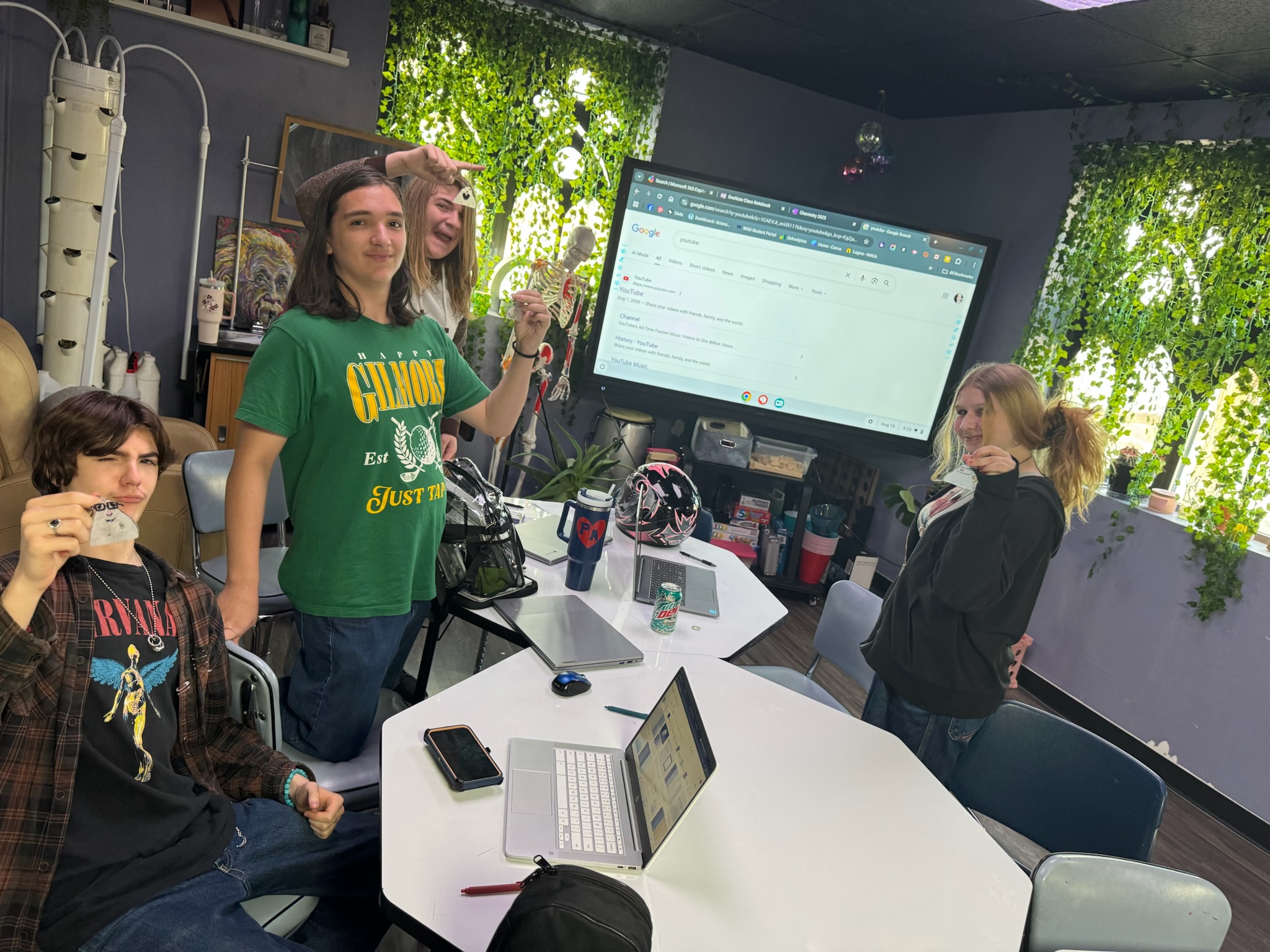
A thoughtful learning environment gives students room to make decisions while still providing guidance and structure from teachers.
Choosing Where to Work
A quiet table, a small group setting, or a comfortable corner can change how easily a student concentrates. When students can settle into a space that helps them focus, frustration often drops and productivity rises.Approaching Work in Different Ways
Some students think best through conversation, while others prefer time to reflect and write things out first. Giving students a few ways to engage with the same material helps more learners feel capable and included.Shifting Between Independence and Collaboration
There are moments when students need quiet time to think, and other times when talking through ideas sparks new understanding. Healthy learning environments make room for both.Building Confidence Through Decision Making
When students are trusted to make small academic choices, they begin to see themselves as capable learners. Those moments slowly build confidence that carries into bigger challenges.
Student choice does not mean a classroom without structure. Teachers still guide the pace, expectations, and direction of learning. What changes is that students begin to feel like active participants in the process, which often leads to stronger engagement and a deeper sense of responsibility.
What Families Should Look for in Healthy Learning Environments
When families visit a school, the learning environment often reveals more than a curriculum guide ever could. You can feel the difference in a space where students are comfortable, supported, and encouraged to participate.
Look for classrooms where students appear relaxed but focused. A healthy environment is not silent or rigid, but it also is not chaotic. Instead, you often see a steady rhythm of discussion, independent work, and collaboration happening naturally.
Another sign of a strong learning environment is how students interact with teachers. Children should feel comfortable asking questions, sharing ideas, and seeking help when they need it. When that trust exists, students tend to stay engaged even when work becomes challenging.
Finally, pay attention to whether the space supports different ways of learning. Flexible seating, collaborative areas, and quiet spaces signal that a school understands students are not all the same. The best learning environments make room for those differences while still keeping a clear structure that helps every student grow.
Discover a Learning Environment Designed for Your Child
Every child deserves a learning environment that recognizes their individuality and supports how they learn best. When classrooms offer flexibility, thoughtful structure, and opportunities for student choice, learning becomes more engaging and meaningful. Students feel more comfortable participating, asking questions, and taking ownership of their progress.
At The Plaza Academy, learning environments are intentionally designed to support both academic growth and personal development. Flexible spaces, individualized guidance, and strong relationships with educators help students feel supported while building independence and confidence.
If you are exploring schools that prioritize thoughtful learning environments and student-centered education, connect with The Plaza Academy to learn how your family can experience a more supportive approach to learning.
