
Integrating Therapeutic Support into Daily School Life: Best Practices
Every student learns differently, and sometimes, they need more than academic instruction to truly thrive in school. Therapeutic support helps bridge that gap by addressing emotional, behavioral, and developmental needs in a way that feels natural and supportive.
At Plaza Academy, we believe therapeutic support works best when it becomes part of everyday school life rather than something separate or occasional. When students feel understood and supported throughout their day, they build confidence, develop stronger relationships, and stay more engaged in their learning.
What Therapeutic Support Looks Like in a School Setting
Therapeutic support in a school setting focuses on helping students manage emotions, build social skills, and feel more confident throughout their day. It considers physical and mental health support for students, especially the ones who need safe spaces more than ever. You will often see it woven into classroom interactions, routines, and guidance rather than separated into standalone moments.
Students might receive support through structured check-ins, guided conversations, or small adjustments that help them stay focused and regulated during lessons. Teachers and staff use simple, consistent strategies that meet students where they are while encouraging growth over time.

You may also notice that therapeutic support looks different for each student, depending on their needs and comfort level. Some students benefit from quiet spaces or breaks, while others respond well to encouragement, clear expectations, and positive reinforcement.
When therapeutic support becomes part of the school environment, students begin to feel safer expressing themselves and asking for help. Over time, this leads to stronger relationships, better self-awareness, and more meaningful participation in both academic and social activities.
How Teachers and Staff Work Together to Support Students
Supporting students effectively requires consistent communication and shared understanding among the adults guiding them each day. When teachers and staff align their approach, students experience stability, which makes therapeutic support more meaningful and effective.
1. Consistent Communication Across the Day
Teachers and staff regularly share observations about student behavior, progress, and challenges to stay aligned. Ongoing communication ensures that students receive consistent responses rather than mixed signals throughout their day.
2. Shared Strategies and Expectations
Staff members use common language, routines, and expectations so students know what to expect in every environment. Consistency helps students feel more secure and makes it easier for them to follow through on positive behaviors.
3. Proactive Support Instead of Reactive Responses
Teams focus on anticipating student needs rather than waiting for challenges to arise during the day. Proactive support reduces stress for students and creates a more positive, predictable learning experience.
4. Flexibility Based on Student Needs
Teachers and staff adjust their approach based on what each student needs in the moment to stay engaged. The school also provides flexible learning environments built on student choice. Flexibility allows therapeutic support to feel personalized rather than rigid or one-size-fits-all.
5. Ongoing Reflection and Adjustment
Staff members regularly reflect on what is working and where students may need additional support. Continuous improvement ensures that therapeutic support evolves alongside each student’s growth.
Creating a Safe and Supportive Classroom Environment
A safe and supportive classroom environment plays a major role in how students respond to therapeutic support each day. When students feel comfortable, respected, and understood, they are more willing to participate, take risks, and ask for help.
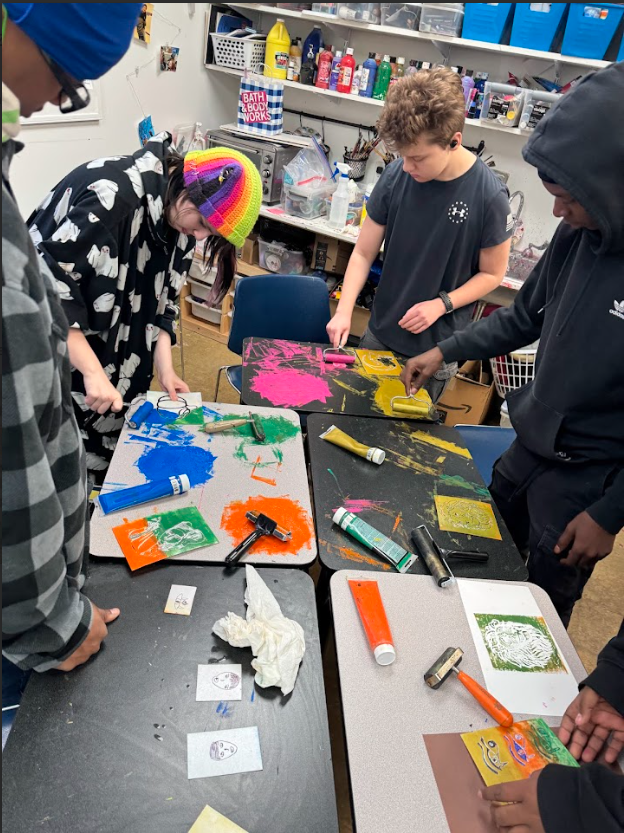
You will notice that classrooms designed with an intentional focus on both emotional and physical comfort for students. Clear expectations, calm spaces, and positive interactions all contribute to an environment where students can regulate themselves more effectively.
Teachers also model patience, understanding, and respectful communication, which sets the tone for how students treat one another. Over time, this creates a classroom culture where therapeutic support feels natural, consistent, and genuinely helpful for every student.
Helping Your Child Thrive with the Right Support at Plaza Academy
Therapeutic support works best when it feels natural, consistent, and fully integrated into your child’s everyday school experience. When students feel supported throughout their day, they build confidence, strengthen relationships, and develop the skills they need to navigate challenges both in and out of the classroom.
At Plaza Academy, we focus on creating an environment where therapeutic support is part of how your child learns, grows, and succeeds each day. If you want a school experience where your child feels understood, supported, and empowered, connect with us at Plaza Academy to learn how we can support your family.
