Addressing Learning Gaps: Innovative Approaches for Non-Traditional Students
The start of a school year often highlights a silent struggle for many families: students feeling left behind academically and emotionally. Learning gaps can become more visible when teens struggle in traditional environments that emphasize conformity over connection. Parents may feel frustrated and heartbroken as they watch their child’s confidence fade with each missed assignment or discouraging report card.
Still, learning gaps aren’t always signs of failure. Many reflect a disconnect between how a student learns and how instruction is delivered. When curriculum delivery doesn’t align with a student’s cognitive, emotional, or sensory profile, disengagement and avoidance often follow.
Learning Gaps as Signals, Not Setbacks
Rather than viewing learning gaps as deficits, they can be seen as indicators of deeper unmet needs. Academic difficulty often stems from anxiety, sensory processing challenges, or a lack of trust in traditional authority figures. Root causes like these rarely improve through tutoring alone and usually require a broader, more responsive approach.
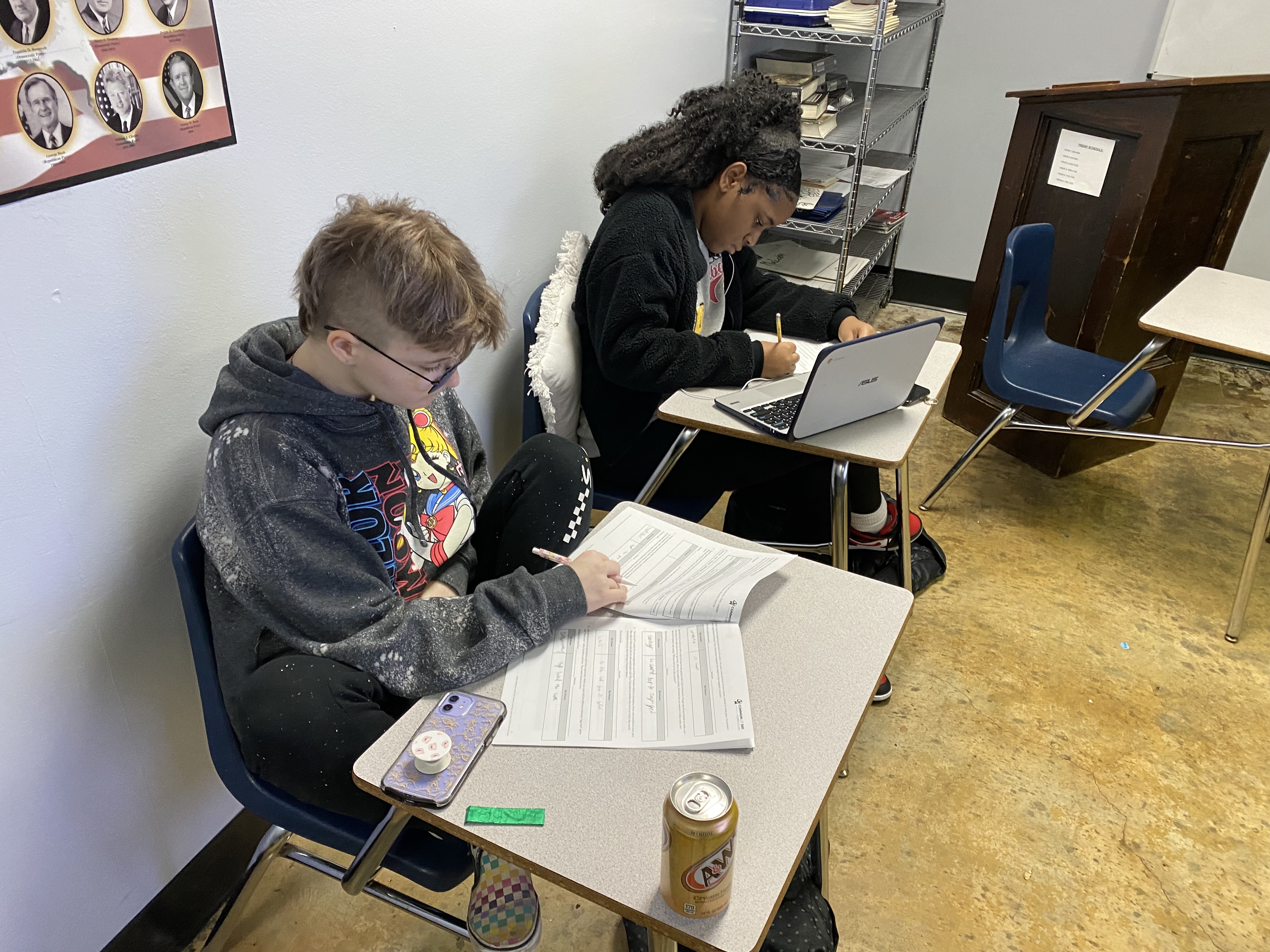
Fortunately, schools that embed therapeutic support into the school day create opportunities for meaningful change. Students benefit from daily access to counseling, emotional regulation strategies, and consistent routines that help them stay grounded. As a result, learning becomes more accessible and less overwhelming.
In student-centered models, autonomy and accountability are woven into everyday learning. When students set goals and reflect on their progress, they begin building confidence and self-direction. Skills like these support long-term academic success and personal development.
Ultimately, when schools recognize the complexity of each student’s learning profile, learning gaps become opportunities for discovery and growth. Responsive environments allow students to re-engage with learning in ways that feel authentic and sustainable.
Closing Learning Gaps Through Creative Expression
Creative programming is not just enrichment. Many students with non-traditional learning needs rely on creative outlets as a primary way to engage with ideas and concepts. Art, music, movement, and performance stimulate multiple sensory pathways and support critical thinking, problem-solving, and emotional regulation.
For example, a student who struggles with writing may find their voice through lyrics, spoken word, or digital storytelling. Creating something meaningful allows students to experience success and rethink how they see themselves as learners. Confidence gained through creative work often becomes the first step toward closing learning gaps.
Movement also plays a key role in student development. Activities like dance, yoga, and kinesthetic exercises strengthen body awareness, reduce stress, and improve concentration. Integrating movement into the school day reinforces emotional wellbeing and builds the stamina needed for sustained academic effort.
Creative learning doesn’t distract from academics; it strengthens it. When students participate in hands-on, expressive projects, engagement increases and deeper understanding often helps close learning gaps naturally.
Personalized Pacing That Moves Students Forward
Not all students thrive on a fixed academic calendar, especially those with unique learning needs or life circumstances. A personalized learning pace creates space for mastery while protecting confidence and emotional wellbeing.
Credit recovery opportunities provide meaningful second chances. Students who regain missed credits through individualized plans often feel renewed motivation and a stronger belief in their future. Supportive systems reinforce the idea that setbacks do not define a student’s potential.
Customized learning pathways can also reflect student interests and goals. A teen passionate about animals might explore science through veterinary case studies or build a math project around animal shelter statistics. Connecting academics to real interests strengthens motivation and long-term retention.
When schools provide individualized pacing and interest-driven projects, learning gaps lose their power to define a student. Students begin to feel respected, capable, and motivated to continue learning.
Social-Emotional Growth Supports Academic Recovery
Academic success rarely develops in isolation; it grows through connection and support. Group activities that encourage collaboration and trust help students rebuild confidence after setbacks. Shared experiences allow students to practice empathy, accountability, and resilience.
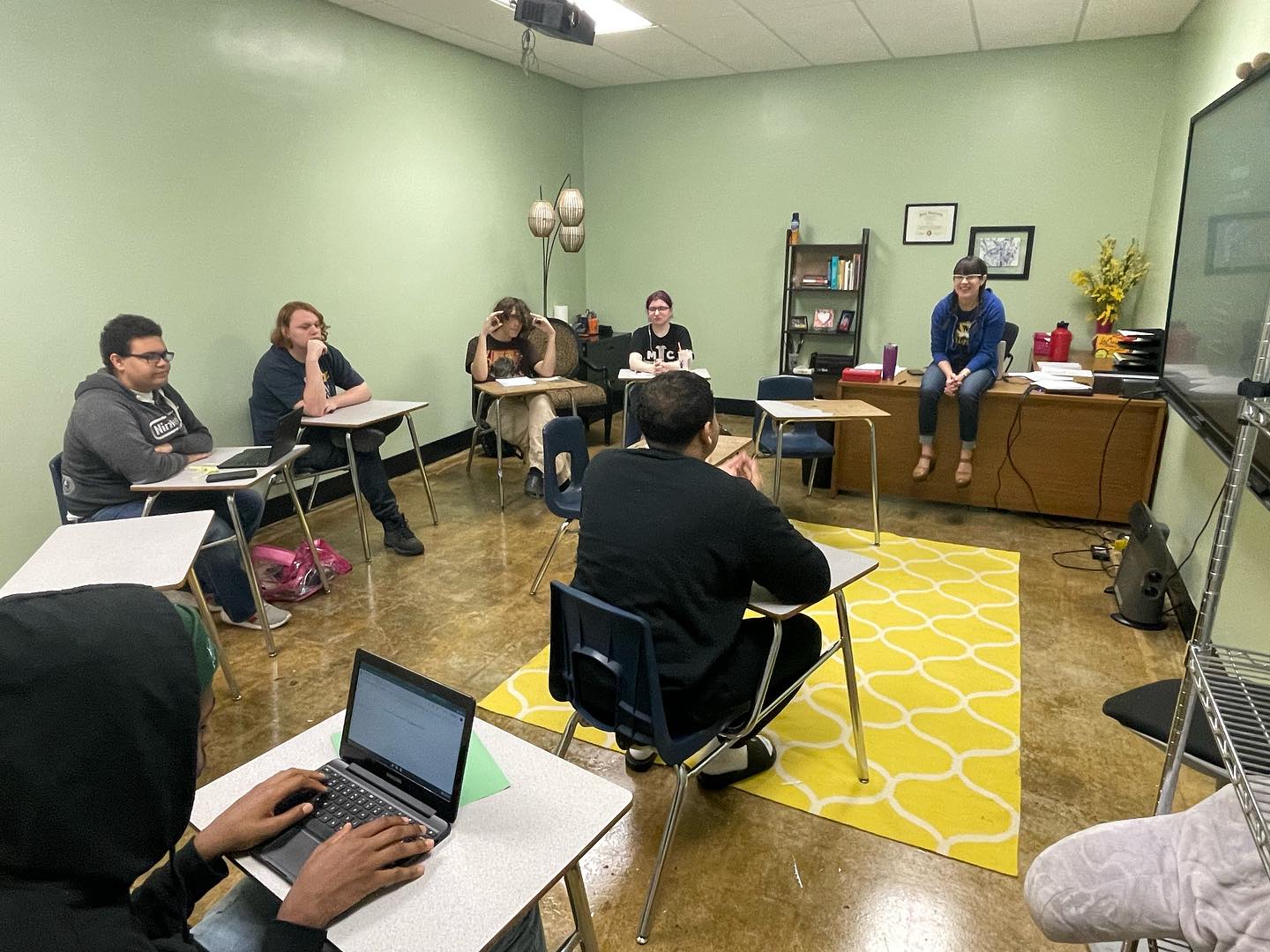
Mentorship provides another powerful layer of support. When students build relationships with educators or older peers who demonstrate perseverance and kindness, they gain encouragement to keep trying. Supportive mentorship often becomes a turning point in a student’s holistic academic journey.
Service learning and community engagement also help students discover purpose. Participating in local initiatives or volunteer opportunities shows students how their actions can create positive impact. Experiences like these connect academic skills with meaningful real-world outcomes.
Schools that prioritize social-emotional growth equip students with tools that extend far beyond the classroom. As emotional awareness and relational skills strengthen, academic recovery often follows naturally.
Turning Gaps Into Growth: A New Way to Measure Success
Success in school is not defined by perfection but by steady progress. Learning gaps appear in nearly every academic journey, yet they do not need to lead to discouragement or shame. Schools that prioritize growth over rigid performance metrics help students rediscover possibility and motivation.
At The Plaza Academy, academic flexibility, therapeutic support, and creative expression work together to help students thrive. Our approach does not lower expectations; it removes barriers that prevent students from reaching them. When emotional wellbeing and academic growth receive equal attention, learning becomes empowering and transformative.
Enroll with us today at The Plaza Academy and discover how our personalized education model helps teens rebuild confidence, reconnect with learning, and move forward with purpose.
