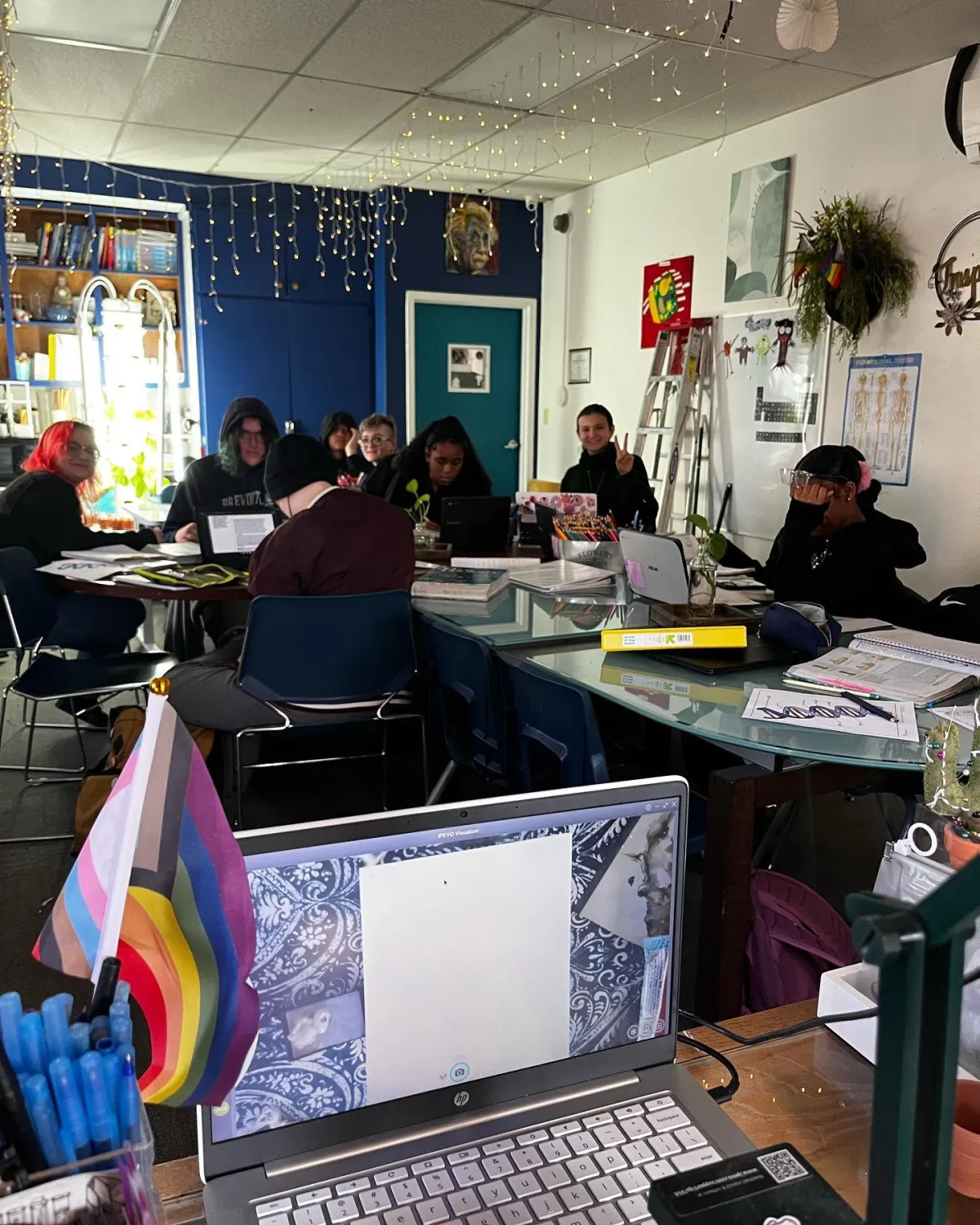
What Families Need to Know About Holistic Education
What kind of person do you want your child to become beyond the grades they earn? Holistic education focuses on connecting learning with emotional health, social growth, and real-life development, not just grades on a report card. Many families get locked into chasing performance metrics and miss how a school actually shapes behavior, mindset, and long-term capability. A strong education should build both competence and character, not force a tradeoff between the two.
At its core, holistic education recognizes that your child is more than a GPA or a test score. Academic progress matters, but confidence, relationships, accountability, and the ability to handle pressure matter just as much. When you understand how a whole-child approach works, you stop focusing only on outcomes and start paying attention to how those outcomes are built.
What Is Holistic Education and Why Does It Matter?
Holistic education is an approach that develops the whole child, combining academics with emotional growth, social development, and personal responsibility. Instead of focusing only on grades and test scores, it recognizes that confidence, relationships, and mental well-being directly influence how a student learns. It matters because students who feel capable, supported, and accountable don’t just perform well once; they sustain that performance over time.
The Core Principles of Holistic Education
Holistic education is built on the belief that your child’s academic progress is deeply connected to emotional health, social development, and personal accountability. Instead of separating learning from behavior or well-being, this approach treats every part of a student’s experience as connected and influential.
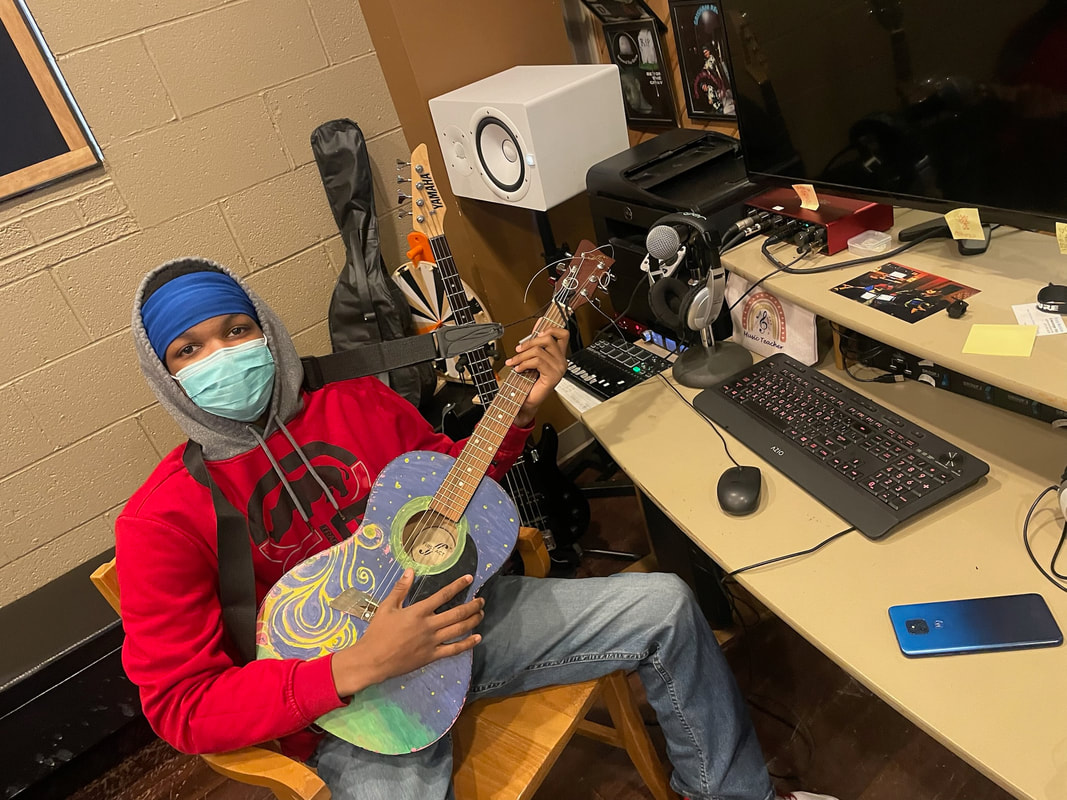
When you understand the core principles of holistic education, you begin to see how each piece reinforces the others rather than competing for attention.
Personalized Learning
Holistic education recognizes that students learn at different speeds and in different ways, so instruction adapts to fit individual strengths and needs. Your child is not expected to fit into a rigid system, but supported through a personalized learning path that keeps them engaged and progressing.Emotional and Social Development
Academic achievement becomes more sustainable when students feel emotionally safe and socially connected in their environment. Schools that prioritize emotional awareness and communication skills help your child build confidence, handle conflict, and avoid the kind of stress that quietly undermines performance.Student Ownership and Accountability
A whole-child approach encourages students to take responsibility for their choices, effort, and growth over time. Instead of relying only on rules and consequences, your child learns how to reflect, adjust, and stay accountable without constant external pressure.Strong Family Partnership
Holistic education works best when families and schools communicate openly and consistently. When you stay informed and involved, expectations stay aligned and your child avoids mixed signals between home and school.Real-World Relevance
Learning connects to practical life skills, critical thinking, and future planning rather than existing only within textbooks. Your child gains tools that transfer into real situations, not just ones that stay inside a classroom.
When these principles work together, holistic education stops being a concept and becomes a system that shapes how students think, behave, and grow. You can expect consistency between academic expectations and character development, rather than a constant disconnect.
How Holistic Education Supports Academic Success
Holistic education strengthens academic performance by addressing the factors that directly influence how your child learns each day. When emotional stress or social conflict builds up, even capable students lose focus, and the issue often gets misdiagnosed as a lack of ability. A whole-child approach addresses the root problem rather than just reacting to symptoms.
Personalized instruction ensures your child receives the right level of challenge and support at the right time. Teachers adjust pacing and expectations so students stay engaged rather than feeling overwhelmed or quietly falling behind.
Skill development becomes part of academic growth rather than something treated as optional. Time management, organization, and communication are practiced intentionally because they directly impact how students perform, not just how they behave.
Accountability is built into the learning process so your child understands how effort connects to results. When students see that link clearly, performance becomes more consistent and less dependent on pressure or short-term motivation.
Why Emotional and Social Growth Matter in School
Emotional and social growth directly affect how well your child performs academically and interacts with others throughout the day. When students feel anxious, disconnected, or misunderstood, learning takes a back seat, no matter how strong their academic ability might be. Holistic education addresses that reality instead of ignoring it.

Students who develop emotional awareness are better equipped to manage stress, frustration, and setbacks without shutting down or acting out. Social skills such as communication, empathy, and conflict resolution help them build stronger relationships and avoid the kind of daily friction that disrupts learning.
When your child feels socially secure, focus improves, and participation becomes more natural instead of forced. That shift alone often makes a noticeable difference in both confidence and academic consistency.
Prioritizing emotional and social development also prepares students for life beyond school. College, careers, and adult relationships all require resilience, adaptability, and self-regulation, not just academic knowledge.
What Families Can Expect From a Holistic Learning Environment
A holistic learning environment looks different from a traditional academic model because expectations extend beyond grades and homework. Families notice the difference quickly, especially in how communication, accountability, and support are handled daily. You are not left guessing how your child is doing or where they need support.
Consistent Communication
Schools using a holistic approach prioritize regular updates about academic progress, behavior, and overall development. You stay informed and involved instead of only hearing from the school when something goes wrong.Structured Accountability
Students are encouraged to reflect on their choices and understand how actions connect to outcomes. Discipline focuses on growth and responsibility, helping your child develop intrinsic motivation rather than relying on constant external correction.Integrated Emotional Support
Emotional check-ins and social skill development are part of the daily experience rather than being treated as separate interventions. You can expect staff to address emotional challenges proactively so they do not escalate into academic setbacks.Individual Progress Monitoring
Academic plans adjust based on your child’s development and readiness. Progress is measured through growth and mastery, not just comparison to other students.Family Partnership
Families play an active role in the educational process rather than remaining passive observers. Collaboration keeps expectations aligned and reinforces what your child is learning across both school and home environments.
When families understand these elements, the experience becomes more predictable and easier to navigate. Clear expectations reduce confusion and give you a stronger role in supporting your child’s development.
Supporting Your Child’s Growth With a Whole-Child Approach
Understanding holistic education changes how you evaluate progress and what you expect from a school. Instead of focusing only on grades, you begin to recognize how confidence, accountability, and resilience are built over time. That shift helps you make better decisions about what environment will actually support your child long term.
At The Plaza Academy, holistic education shapes every part of the student experience, from individualized academics to integrated emotional and social support. Families work closely with educators to reinforce accountability, communication, and personal growth in a structured environment. If you want an approach that develops both performance and character, connect with us at The Plaza Academy to learn how our approach helps students grow with clarity and confidence.
